关键词:robot,Swarming, schooling, milling,fish school model
提供者姓名:唐威振,郑雅婷,韩战钢
提供者邮箱:201931250010@mail.bnu.edu.cn
提供者单位:北京师范大学系统科学学院
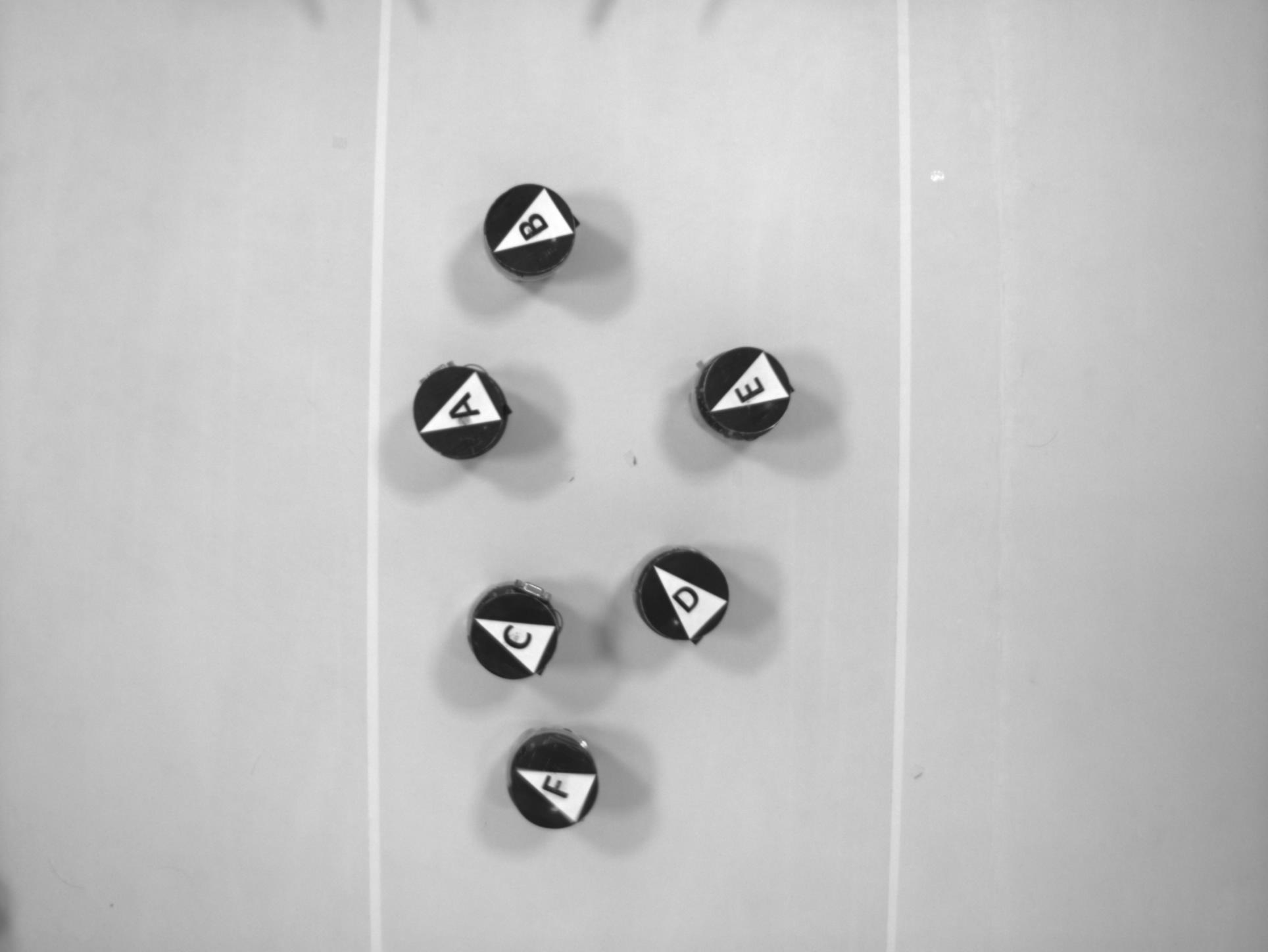
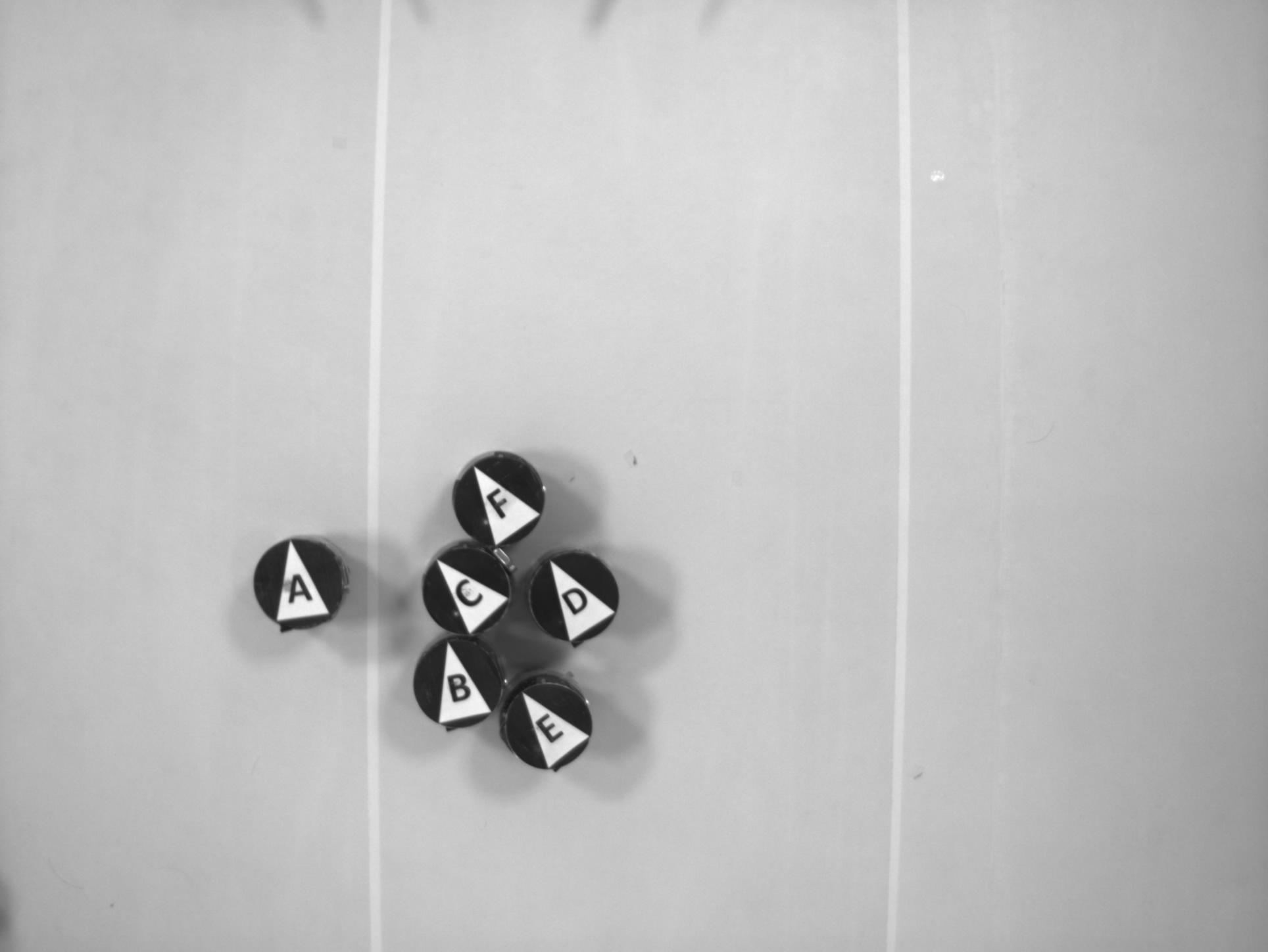
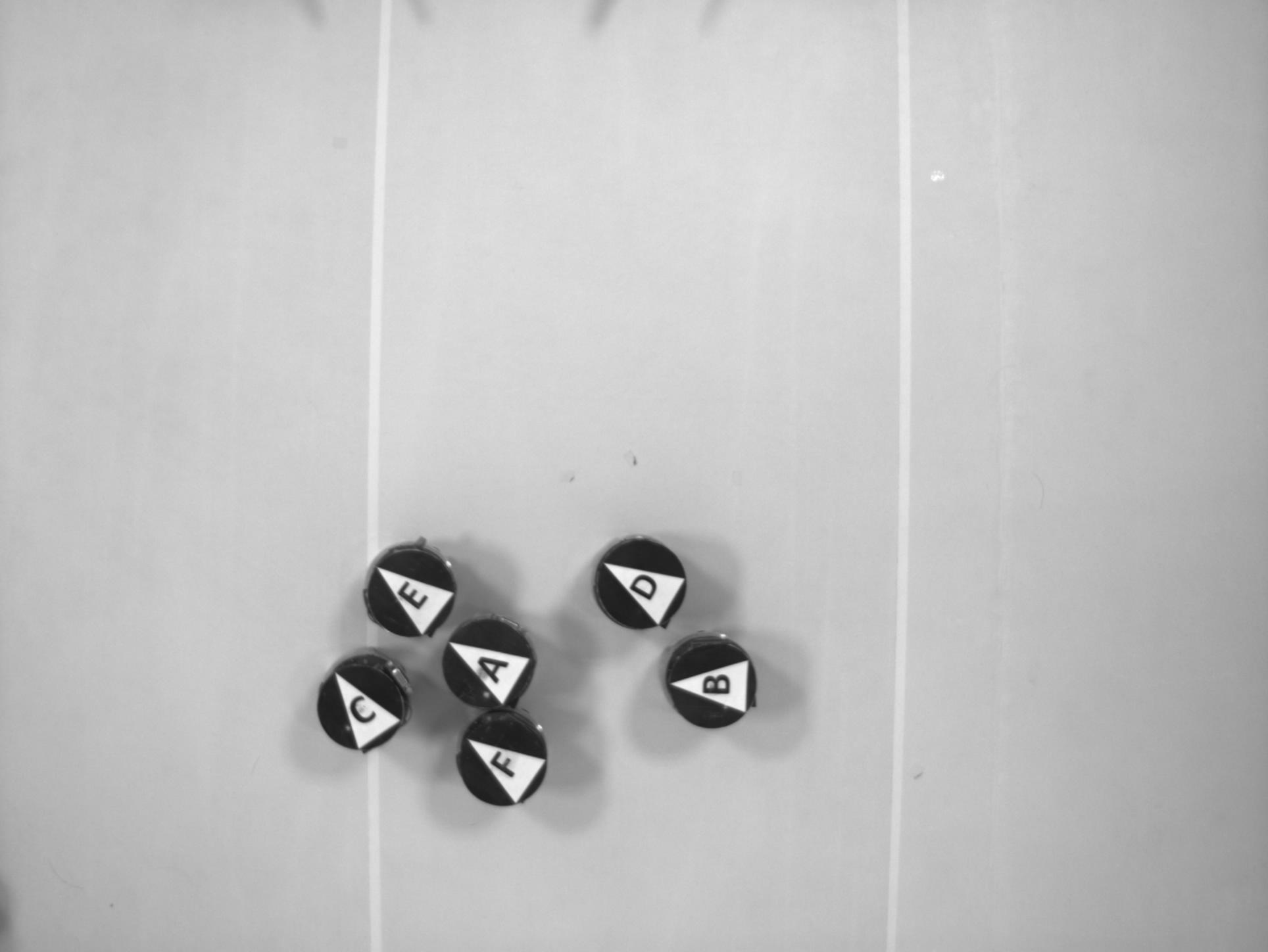
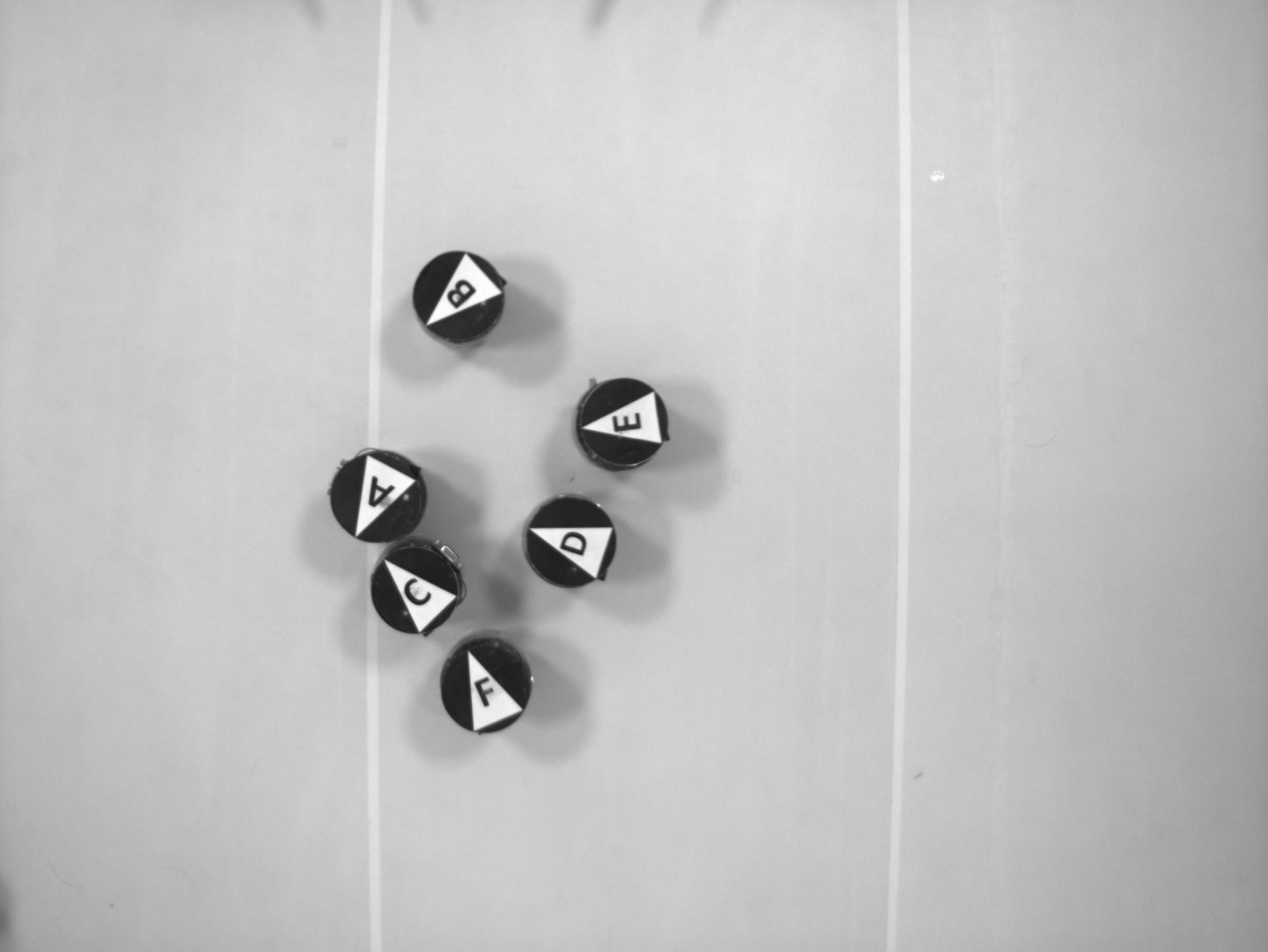
数据简介:鱼群模型在机器人上的实验数据,包括图片,个体的位置和方向信息。包括机器人测试,模型规则测试,及一致性实验等不同参数下的实验。
数据来源:集群机器人实验室(科技楼506)
数据年份:2020-2021
数据格式:jpg,csv
数据大小:39.5GB
读取软件:
使用说明:请联系数据提供者
是否提供小样本sample:提供
下载链接:查看
X
数据使用声明
为尊重知识产权、保障数据作者和数据服务提供者的权益,请数据使用者认真阅读数据提供方的使用规范:https://sssdata.bnu.edu.cn/tabid/40/Default.aspx。在基于本数据所产生的研究成果(包括项目评估报告、验收报告,以及学术论文或毕业论文等)中标注数据来源,并按照[文献引用方式]标注需引用的参考文献,同时将可公开成果提交到"北京师范大学系统科学学院大数据中心邮箱:sssdata.bnu.edu.cn"。
数据来源引用参考以下规范:
中文表达方式:数据来源于“北京师范大学系统科学学院” (http://sss.bnu.edu.cn);英文表达方式:School of Systems Science, Beijing Normal University (http://sss.bnu.edu.cn)。
致谢方式参考以下规范:
中文致谢方式:"感谢北京师范大学系统科学学院 (https://sssdata.bnu.edu.cn)提供数据支撑。"
英文致谢方式:" Acknowledgement for the data support from School of Systems Science, Beijing Normal University (https://sssdata.bnu.edu.cn)."
*本数据的使用者必须遵守数据提供方的使用要求和使用规范,依照《中华人民共和国数据安全法》的要求存储和使用相关数据。
*未经数据提供者的书面许可,任何单位及个人不得以任何方式或理由对上述数据产品、服务、信息、材料的任何部分进行复制、修改、抄录、传播及销售。
*凡侵犯本平台版权等知识产权的,本平台必依法追究其法律责任,特此郑重声明!
是否同意上述要求?
X
ftp://210.31.77.10
本数据集需要数据提供方认可方能下载(请联系韩战钢教授、朱嘉琪:jiaqi7766@163.com)。
请下载此表格,由数据提供方韩战钢教授签字同意后,交到本中心(科技楼B区525,京师科技大厦A座1层208,58807197,sssdata@bnu.edu.cn),方可获得下载账号和密码:
数据资源申请表
小样本Sample:
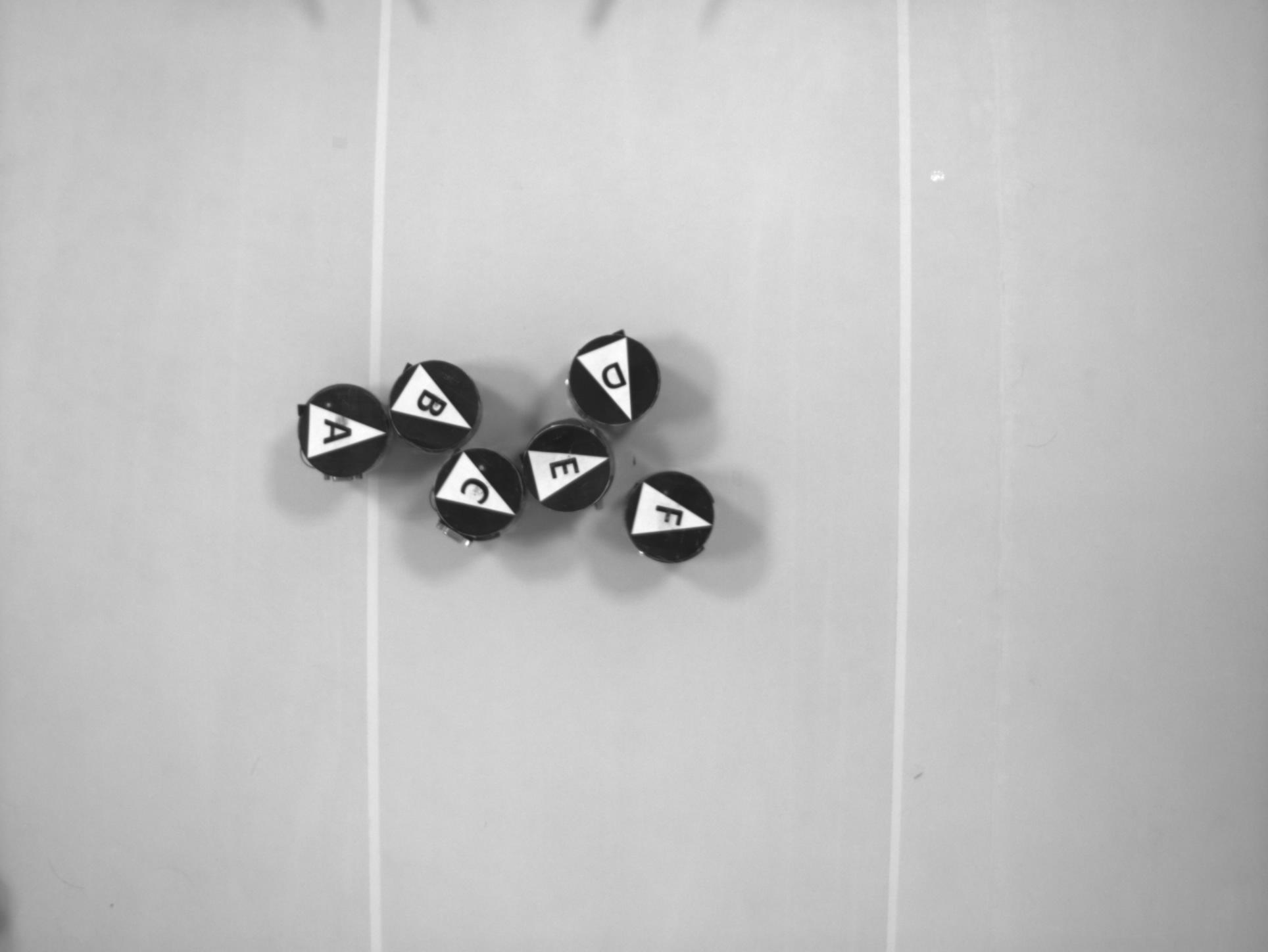
相关研究成果:
1. Swarming, schooling, milling: phase diagram of a data-driven fish school model
We determine the basic phase diagram of the fish school model derived from data by Gautrais et al (2012 PLoS Comput. Biol. 8 e1002678), exploring its parameter space beyond the parameter values determined experimentally on groups of barred flagtails (Kuhlia mugil) swimming in a shallow tank. A modified model is studied alongside the original one, in which an additional frontal preference is introduced in the stimulus/response function to account for the angular weighting of interactions. Our study, mostly limited to groups of moderate size (in the order of 100 individuals), focused not only on the transition to schooling induced by increasing the swimming speed, but also on the conditions under which a school can exhibit milling dynamics and the corresponding behavioural transitions. We show the existence of a transition region between milling and schooling, in which the school exhibits multistability and intermittence between schooling and milling for the same combination of individual parameters. We also show that milling does not occur for arbitrarily large groups, mainly due to a distance dependence interaction of the model and information propagation delays in the school, which cause conflicting reactions for large groups. We finally discuss the biological significance of our findings, especially the dependence of behavioural transitions on social interactions, which were reported by Gautrais et al to be adaptive in the experimental conditions.
原文链接:https://iopscience.iop.org/article/10.1088/1367-2630/16/1/015026

Fish interactions graphical representation used in the model.

(a) The respective time series of the polarization (red line) and milling parameters (blue line) for the four distinct regions. (b) A representation of figure 3 right panels where three distinct behavioural regions can be identified by representing the mutually exclusive quantities given for the parameters of milling (M), average neighbour distance (D) and polarization (P), through a colour composition for each parameter (red, green and blue respectively). (c) Typical configurations of these states.

Transition between region schooling and milling states for different speeds.